Skip to content

Compost in Viticulture

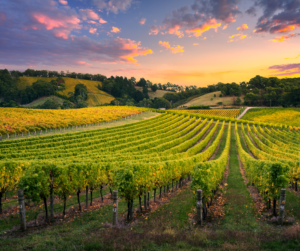
When plants are photosynthesising they leak exudates (carbohydrates) into the soil, these exudates feed the life in the soil (bacteria and fungi etc) and in exchange for these exudates the soil microbes gather nutrients for the plant. Biologically diverse soils
create a healthy environment, producing healthier plants better able to cope with the pressures from frost, heat, pests and diseases. Compost not only provides a source of microbes, but it also feeds your underground workforce, building soil organic matter, therefore soil carbon, and ultimately improving water retention to create more resilient soils for long-term soil and plant health.
Read More »

Compost in Broadacre

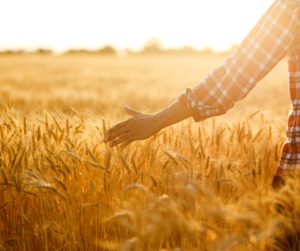
While broadacre cropping programs can rob Australian soils of carbon and organic matter, improving soil function and structure is possible, and it starts with compost.
1 According to The Regional Institute,
compost can hold 10 times its weight in water, on the driest continent in the world, this is one big benefit to using compost in broadacre cropping.
2 Research compiled by Compost for Soils, reports that compost acts as a soil conditioner and works by improving the soil’s physical, biological and chemical properties.

Read More »

Compost in Orchards

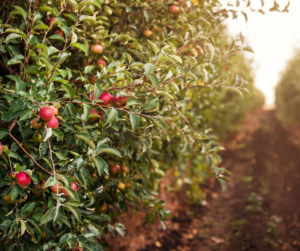
Planting is a critical time for orchardists, using compost as a mulch or incorporated into the soil at planting can produce many beneficial long-term gains.

Read More »

Compost in Pasture

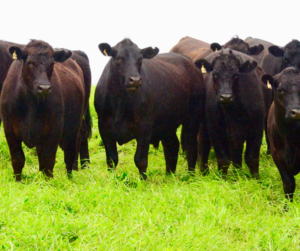
Grazing and dairy operations across Australia are faced with an extremely variable climate, raising input costs, erosion and weeds, along with pests and diseases. Addressing these challenges is possible, and it starts with compost.
According to The Regional Institute,
compost can hold 10 times its weight in water, and this highlights the benefit of using compost in pasture systems on the driest continent in the world. A growing number of trials and research is proving compost can play a key role in long- term sustainable pasture-based systems.

Read More »